

Anyone who’s tried to enjoy their outdoor area during a Central Coast summer knows exactly what we’re talking about. That searing afternoon heat makes your patio feel more like an oven than a living space. And come winter? Sure, it’s not freezing, but it’s still too chilly for comfortable outdoor dining without bundling up.
Here’s where insulated patio roofing Central Coast makes all the difference. This isn’t just another roof over your head—it’s a genuine climate control solution that creates comfortable outdoor spaces you can actually use year-round. The team at Pergolas Central Coast Specialist has been installing these systems across Gosford, Terrigal, Woy Woy, Erina, and Wyong for years, and we’ve seen firsthand how they transform outdoor areas from seasonal spaces into genuine extensions of the home.
What makes insulated roofing different? It’s got a core layer of insulation material sandwiched between steel sheets—typically quality Colorbond steel. This creates a thermal barrier that blocks heat in summer and retains warmth in winter. We’re talking about blocking up to 95% of heat transfer, which means you can comfortably entertain guests in January without everyone melting, and still use your outdoor room in July without needing three layers and a heater.
The Central Coast’s climate is too good to waste. With insulated patio roofing, you’re finally making the most of it.
What is Insulated Patio Roofing?
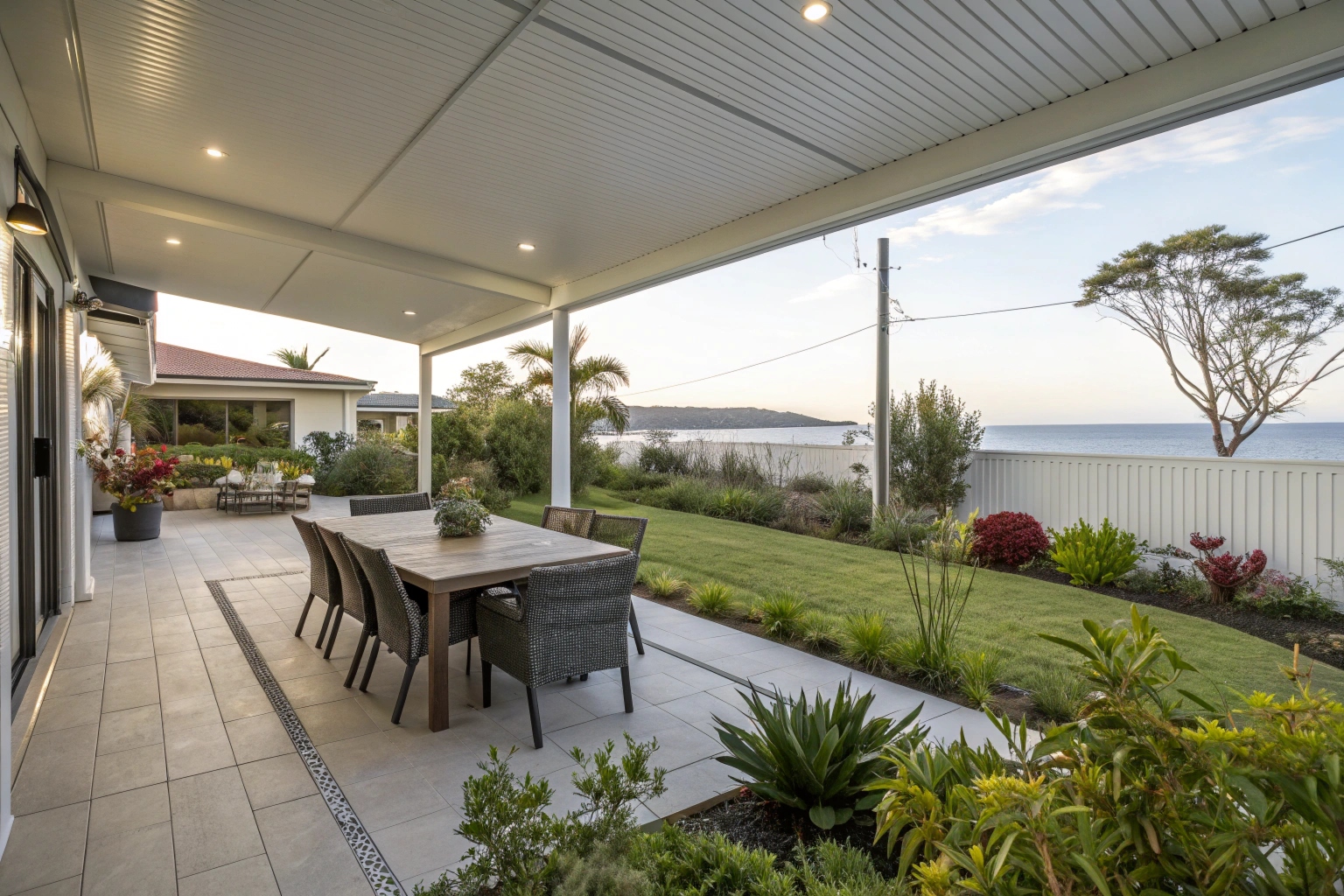
Think of insulated patio roofing as a high-performance sandwich panel for your outdoor area. You’ve got two layers of steel—usually quality Colorbond—with a thick core of insulation material in between. That core is typically made from polyurethane or polystyrene foam, and it’s what does all the heavy lifting when it comes to temperature control.
The difference between this and standard single-skin roofing is massive. Regular patio roofs are just one sheet of metal, which means they heat up like a BBQ plate in summer and do basically nothing to help with temperature. Insulated panels, on the other hand, create a proper thermal barrier that controls heat transfer in both directions.
What you end up with is a modern solution for outdoor living that actually delivers on the promise of year-round comfort. The insulation core reflects and absorbs heat before it can penetrate through to your space below, which is why these panels can maintain stable temperatures even when the sun’s beating down or when those cooler evenings roll in.
It’s not rocket science—it’s just smart construction. The same principle keeps your house comfortable, and now you can have that same climate control in your outdoor entertaining area. Whether you’re building a new alfresco space or upgrading an existing patio, insulated roofing is what turns a weather-exposed area into a genuinely usable outdoor room.
Key Benefits of Insulated Patio Roofing
The comfort factor is what most people notice first. During those scorching Central Coast summers, an insulated roof keeps your outdoor area genuinely cool—not just “slightly less hot.” You can host a Sunday lunch in January without guests wilting in the heat. Same goes for winter months. The insulation retains warmth from afternoon sun and any heating you’re running, so your space stays comfortable long after the temperature drops.
Noise reduction is another benefit people don’t expect until they experience it. Ever sat under a regular tin roof during heavy rain? It’s deafening. Insulated panels absorb that sound, so coastal rain showers become background ambience instead of a conversation-killer.
Then there’s the condensation issue. Standard metal roofs get moisture buildup underneath, especially in humid coastal conditions. That moisture can drip on your outdoor furniture, damage ceilings, and create an uncomfortable environment. Insulated roofing eliminates this problem entirely because the thermal barrier prevents temperature differentials that cause condensation.
For patios adjoining your home, there’s genuine energy efficiency gains too. The insulated roof acts as a buffer zone, reducing heat transfer into your house during summer and helping retain warmth in winter. Less work for your air conditioning and heating means lower energy bills.
Bottom line? You get comfortable entertaining year-round, quieter outdoor spaces, no moisture problems, and better energy efficiency if your patio connects to the house. That’s what makes insulated roofing worth the investment.
How Insulation Works
The Core Material
The magic happens in that middle layer between the steel sheets. Most quality insulated panels use either polyurethane or polystyrene foam as the core material. Polyurethane is the premium option—it’s got better insulating properties and higher density, which means superior performance. Polystyrene is more economical while still delivering solid results. Both materials are specifically engineered to resist heat transfer.
Thermal Resistance and R-Value
Every insulated panel has an R-value rating, which measures thermal resistance. Higher R-values mean better insulation. For Central Coast conditions, you’re typically looking at panels with R-values between 2.0 and 4.0, depending on thickness. Thicker panels (50mm to 100mm) deliver higher R-values and better temperature control, though they cost more upfront.
Blocking Heat Transfer
Here’s how it actually works: when summer sun hits your roof, the outer steel layer heats up. But instead of that heat radiating straight through to your space below, the insulation core reflects and absorbs it. The heat gets trapped in the core material rather than penetrating through. In winter, the reverse happens—warmth from your space stays contained instead of escaping through the roof.
Quality insulated panels block up to 95% of heat transfer. That’s the difference between an outdoor area that’s unbearably hot and one that stays comfortable all afternoon.
Central Coast Climate Advantages
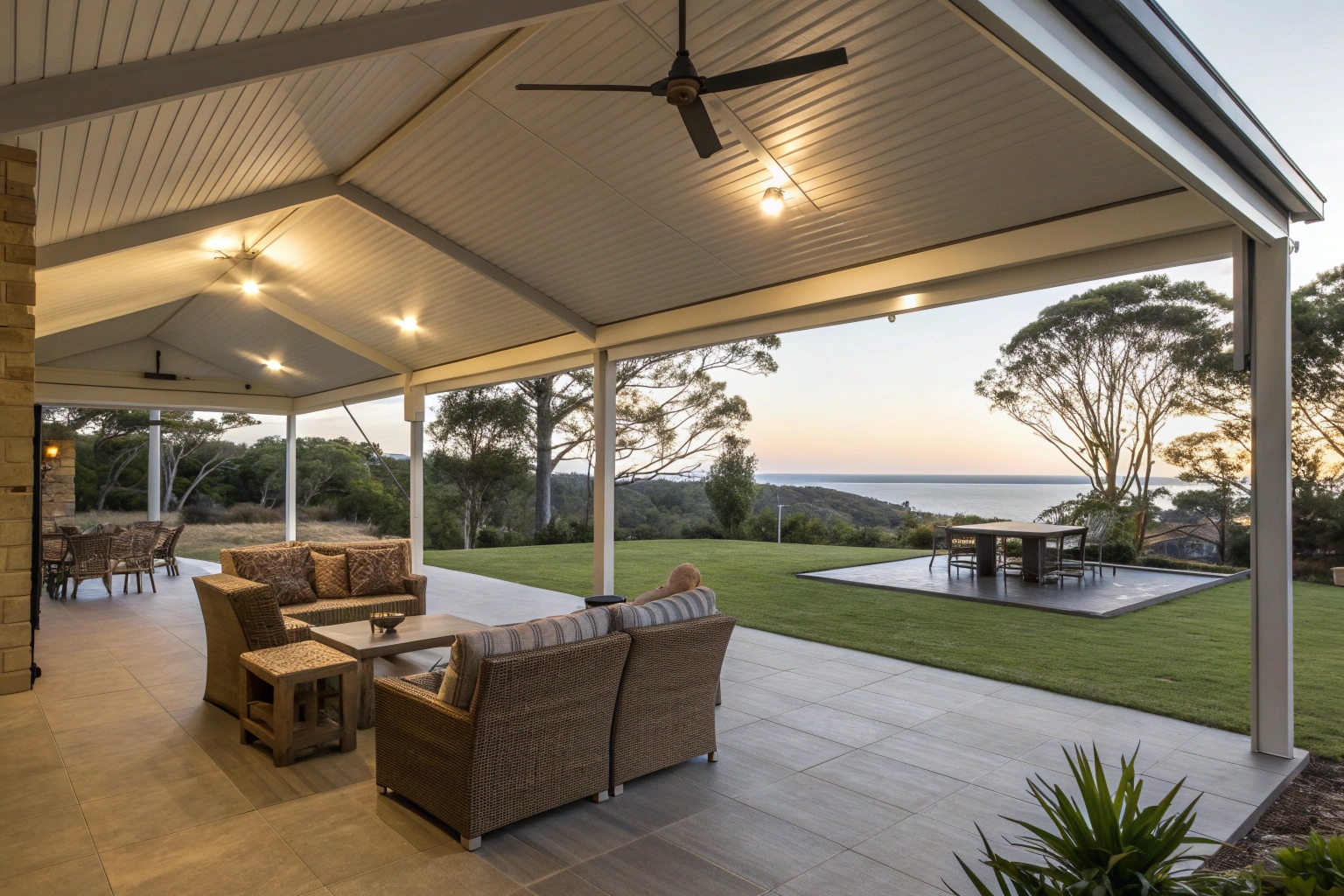
The Central Coast’s climate is brilliant—except when you’re trying to use your outdoor area during peak summer afternoons or cooler winter evenings. That’s exactly where insulated patio roofing pays off.
Summer protection is probably the biggest win. Those 35-degree January days with intense UV radiation make standard patios unusable from midday onwards. Even with shade, the radiant heat coming off a single-skin roof turns your alfresco into a furnace. Insulated roofing blocks that heat before it penetrates your space, keeping temperatures comfortable enough for outdoor dining when your neighbours are hiding inside with the AC cranked.
The mild winters are another advantage people overlook. Sure, the Central Coast doesn’t get freezing, but those 10-15 degree evenings in July are too chilly for comfortable outdoor entertaining without help. Insulated roofing retains the warmth from afternoon sun and any heating you’re running, extending your outdoor season by months.
Coastal rain showers happen year-round here, and they can be loud under standard metal roofs. Insulated panels dramatically reduce that noise, so rain becomes pleasant background ambience instead of drowning out conversation.
Afternoon heat buildup is brutal in coastal areas—that combination of direct sun and reflected heat from nearby surfaces. Quality insulated roofing stops that cycle before it starts, maintaining stable temperatures throughout the day.
Bottom line? You’re maximising the investment in your mild climate by creating genuinely usable outdoor space for 12 months instead of maybe 6.
Insulated Panel Options
Panel Thickness
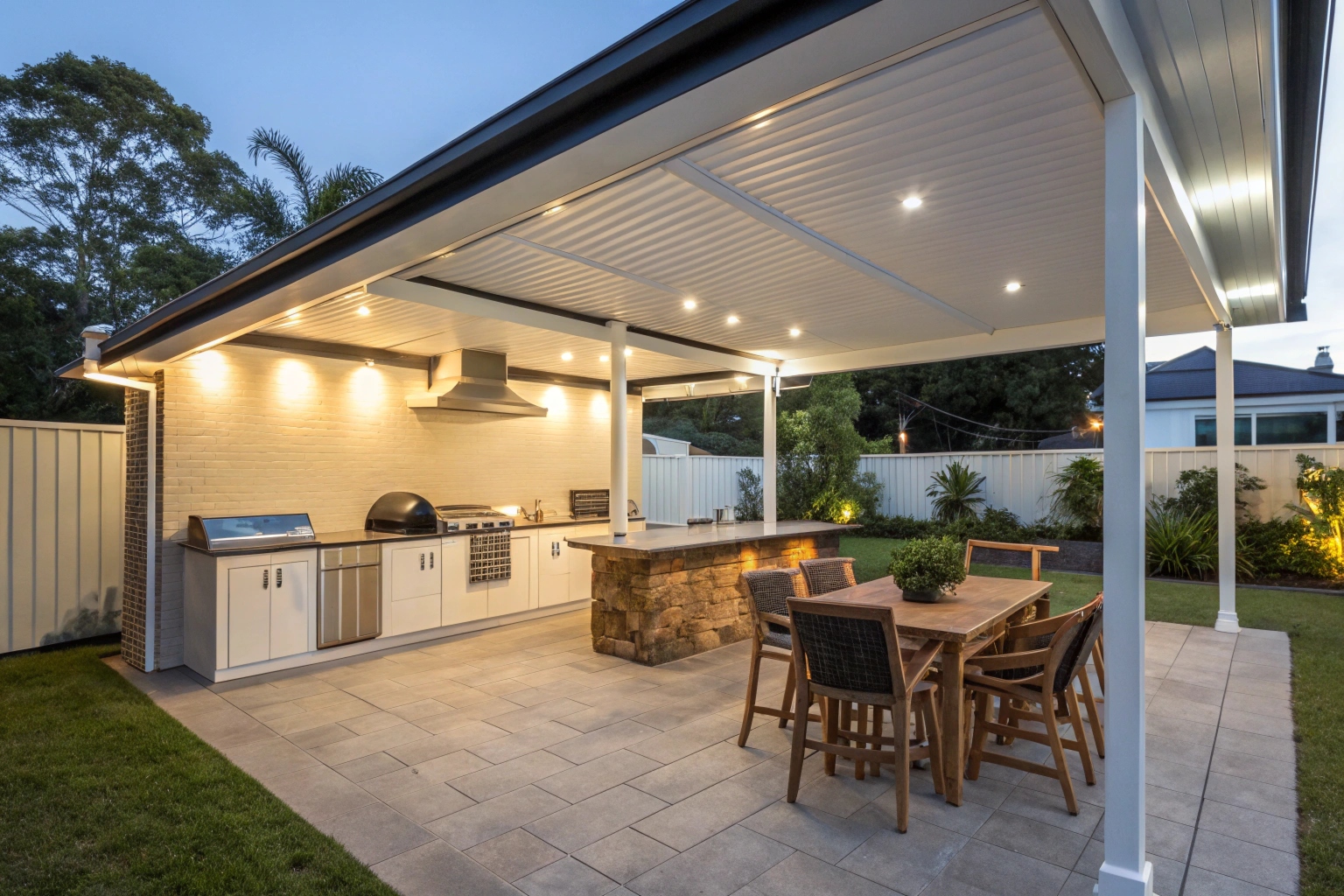
Insulated panels come in various thicknesses, typically ranging from 25mm right up to 100mm or more. The thickness you need depends on your priorities and budget. Standard residential installations usually run 50mm to 75mm panels—that hits the sweet spot for performance without excessive cost. Thicker panels deliver better insulation and greater span capabilities, but they’re heavier and more expensive.
Core Materials
You’ve got two main options for the insulation core. Polyurethane foam is the premium choice—it’s denser, delivers higher R-values, and performs better long-term. Polystyrene foam is more economical while still providing solid insulation. Both are Australian-made products engineered specifically for our climate conditions.
Colorbond Exterior
The steel exterior comes in Colorbond’s full colour range, so you can match or complement your existing home. Popular choices on the Central Coast include Surfmist, Shale Grey, and Woodland Grey, but you’ve got plenty of options. The Colorbond coating isn’t just about looks—it’s UV-resistant and designed for coastal conditions.
Span and Fire Ratings
Thicker panels can span larger distances between supports, which means fewer posts and cleaner sightlines for bigger outdoor areas. If bushfire protection is a concern, fire-rated panels are available that meet Australian standards for BAL (Bushfire Attack Level) zones.
Quality matters here. Australian-made panels from established manufacturers deliver consistent performance and come with proper warranties.
Frequently Asked Questions

Get Started with Insulated Patio Roofing on the Central Coast
If you’re tired of having an outdoor area that’s only comfortable for part of the year, it’s time to look at insulated roofing. The difference in comfort and usability is significant—this isn’t a minor upgrade, it’s a complete transformation of how you use your outdoor space.
Pergolas Central Coast Specialist has been installing insulated patio roofing systems across Gosford, Terrigal, Woy Woy, Erina, and Wyong for years. The team understands Central Coast temperature needs and what works for our specific climate conditions. They know which panel thicknesses deliver the best value, which configurations suit different home styles, and how to integrate insulated roofing with existing structures properly.
Every project starts with a consultation at your property. The team will assess your current setup, discuss your goals for the space, and recommend the best solution based on your budget and requirements. You’ll get a clear breakdown of costs, timeline, and what to expect throughout the installation process.
Quality product selection matters. The business works with Australian-made insulated panels from established manufacturers, ensuring you get panels engineered for coastal conditions with proper warranties backing them up.
The Central Coast climate is too good to let a poorly insulated patio limit your outdoor lifestyle. Contact Pergolas Central Coast Specialist to discuss your insulated patio roofing project and find out how this investment can create year-round comfort for your outdoor entertaining area.

Let’s Talk
Pergolas Central Coast Specialist is an organization that provides high-quality pergola and outdoor living structures. Our company has been in business for years and we offer a wide range of services including Custom Projects, New Construction Services. If you’re interested in learning more about what this company can do for you, contact them today.
