
Expert Freestanding Pergolas Serving Central Coast
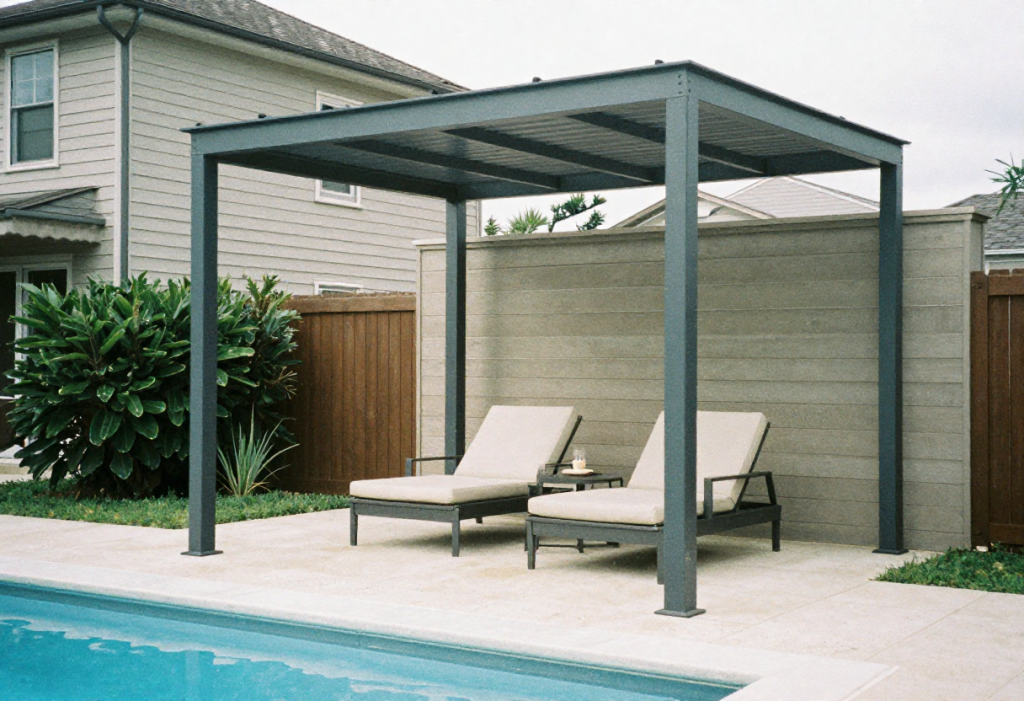
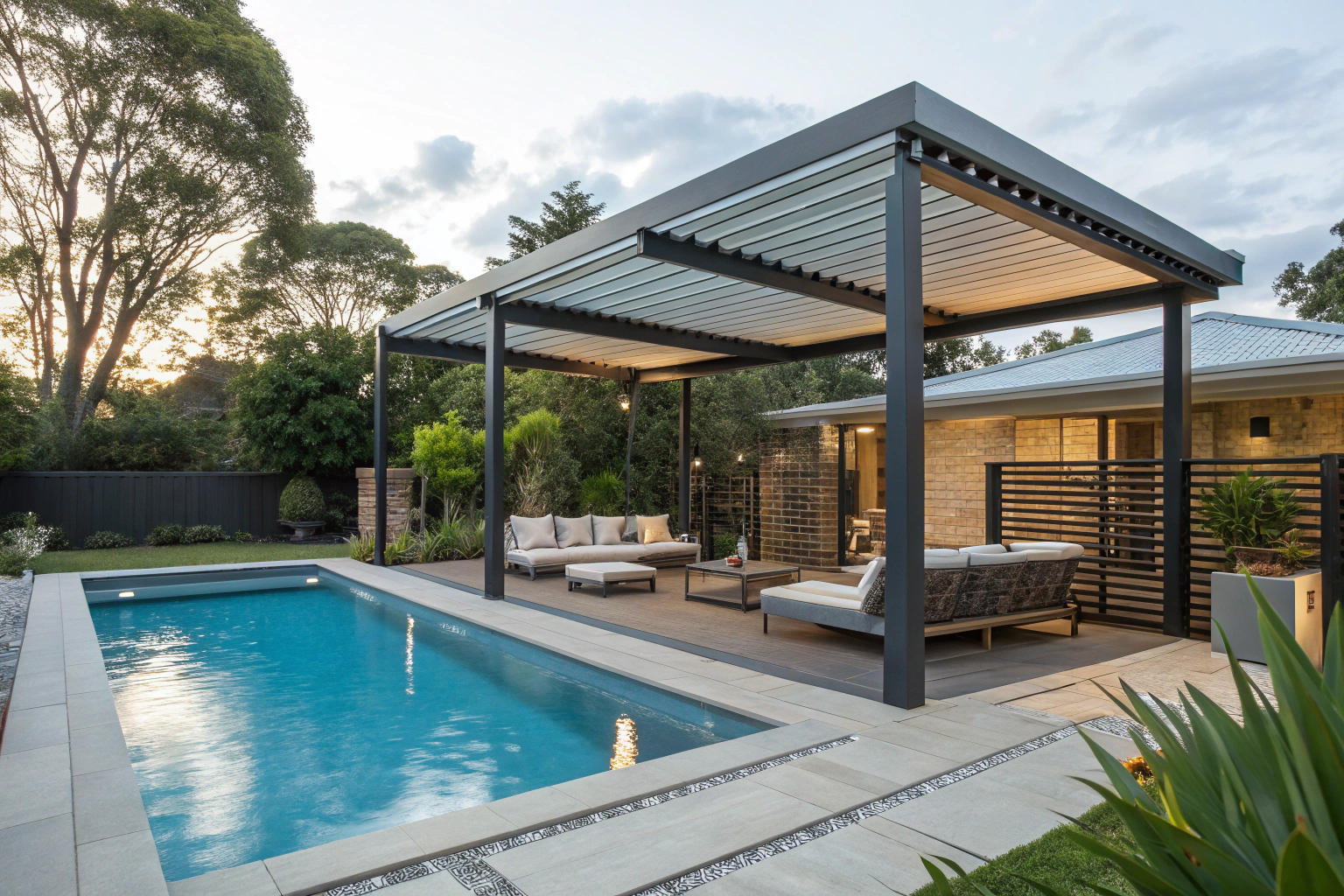
There’s something special about having your own escape right in the backyard – a spot that’s all yours, away from the house but still part of home. That’s exactly what brings a lot of Central Coast homeowners to freestanding pergolas. They’re not stuck to your house like attached pergola, which means you can put them anywhere you want – over by the pool, in the middle of the garden, or tucked away in that corner where the afternoon sun hits just right.
The team at Pergolas Central Coast has been building these standalone structures across Gosford, Terrigal, Woy Woy, and Wyong for years now. What makes them work so well around here is the flexibility – you’re not limited by where your house walls are or worried about messing with existing structures. Whether it’s creating a quiet morning coffee spot, covering the BBQ area, or giving the kids somewhere to play that’s protected from the harsh coastal sun, a freestanding pergola gives you options that attached versions just can’t match.
What Are Freestanding Pergolas
Self-Supporting with Posts on All Sides: Freestanding pergolas stand on their own with posts on all corners and proper footings, requiring no support from your house.
Can Be Positioned Anywhere on Property: They can be placed anywhere—by the pool, in the garden, or near a fence—giving you full freedom of location.
Versatile Garden and Outdoor Features: These pergolas serve as dining areas, lounges, poolside cabanas, or quiet retreats, creating distinct zones in your yard.
Complete Flexibility in Placement and Orientation: You can orient the structure to catch breezes, block sun, or frame views, offering design freedom unattainable with attached pergolas.

Key Advantages of Freestanding Designs
Placement Freedom Anywhere in Yard or Garden
The biggest advantage is simple – build it wherever it makes the most sense. Properties around Woy Woy often have interesting layouts with gardens, pools, and outdoor areas spread out. A freestanding pergola lets you put shade and shelter exactly where you need it, not just where your house walls happen to be.
No Impact on Existing Home Structure
Building one of these doesn’t mean drilling into your house, removing eaves, or worrying about whether your exterior walls can handle the load. Your home stays untouched. For older homes or properties with heritage features, that’s a big deal – you get the pergola without any structural modifications to the house itself.
Creates Distinct Outdoor Rooms and Zones
Freestanding structures naturally divide up your backyard into different areas. The pergola becomes its own room – separate from the house but connected to your overall outdoor living space. It’s like having an outdoor lounge room, dining room, or retreat area that’s clearly defined without needing walls or fences.
Easier Council Approval in Many Cases
Since you’re not modifying the house structure, council approval can be more straightforward. There’s less scrutiny around things like setbacks from the building or impacts on the existing structure. Pergolas Central Coast handles the paperwork either way, but freestanding options often move through the approval process a bit smoother across the Central Coast region.
Can Be Relocated if Property Layout Changes
Here’s something most people don’t think about – if you decide to add a pool later, or redesign the garden, or change how you use the yard, a freestanding pergola can potentially be moved. It’s not something you’d do lightly, but the option exists in a way that just isn’t possible with attached structures.
Works for Properties with Limited Wall Access
Some homes don’t have good wall space for an attached pergola – maybe there’s too many windows, or the eaves are wrong, or the wall faces the wrong direction. Freestanding designs solve that problem completely. You’re not dependent on having the right wall in the right spot with the right orientation.

Design Styles & Configurations
Square or Rectangular Traditional Layouts
The classic approach – four posts, simple rectangular shape, clean lines. These work with pretty much any property style and garden design. Most of the freestanding pergolas Pergolas Central Coast builds in Erina follow this layout because it’s timeless, functional, and maximizes usable space underneath. Dimensions vary based on what you’re covering.
Circular or Octagonal Designs for Visual Interest
Want something with more character? Circular and octagonal freestanding pergolas create visual interest that rectangular ones can’t match. They’re especially good as garden features or centerpieces. The construction’s more complex – all those angled cuts and supports – but the result is something that really stands out in your yard.
Modern Geometric and Angular Structures
Contemporary homes around the Central Coast pair well with geometric freestanding designs – maybe asymmetrical layouts, unusual angles, or modern architectural features. These aren’t your traditional pergola shapes, but they create striking outdoor spaces that complement modern property styles. The engineering gets interesting with non-standard angles, but that’s what makes them work.
Gazebo-Style with Full Perimeter Roofing
Gazebo-style freestanding pergolas give you more coverage than open-beam designs – the roof extends to cover most of the structure instead of just providing partial shade. They offer better weather protection while still being open-sided. Popular choice for properties wanting maximum shelter without building an actual enclosed room.
Open-Beam Traditional Pergolas
The traditional open-beam style with exposed rafters creates that classic pergola look – dappled shade, visible sky between the beams, space for climbing plants. It’s the lightest, most open feeling option. Works brilliantly in gardens where you want shade without completely blocking the sun or creating a heavy visual presence.
Contemporary Flat-Roof Pavilions
Flat-roof freestanding pavilions give you a modern, clean-lined look with complete overhead coverage. They’re basically outdoor rooms without walls. Rain protection is total, which makes them work well for outdoor kitchens or entertainment areas where you need reliable shelter. The contemporary aesthetic fits newer homes across Gosford and surrounding areas.
Multi-Level or Tiered Designs
Sloping properties sometimes need multi-level freestanding structures – maybe stepped to follow the land, or tiered to create different height zones. These are custom builds that work with your property’s unique topography instead of fighting against it. The team’s built plenty around hillside properties in the Central Coast where standard flat designs just wouldn’t work.
Freestanding Pergolas Material Choices
Timber Frames for Natural Garden Integration: Timber freestanding pergolas blend into garden settings better than any other material. Treated pine, hardwood, or cedar – each brings different benefits. The natural look works with established gardens, coastal landscaping, and traditional property styles. Around Woy Woy and Terrigal, timber remains the most popular choice for freestanding structures because it just feels right in outdoor spaces.
Steel Construction for Strength and Span: Steel frames let you span larger distances without needing as many support posts. If you’re covering a big area – maybe a full outdoor kitchen and dining zone – steel gives you the structural strength to do it properly. It’s also the go-to for coastal properties needing maximum wind resistance. Powder coating protects it from salt air.
Aluminium for Low-Maintenance Coastal Use: Aluminium handles Central Coast conditions brilliantly – doesn’t rust, handles salt air, needs basically zero maintenance over the years. It’s lighter than steel but still plenty strong for standard residential freestanding pergolas. Properties right on the coast often go with aluminium because it just keeps performing year after year without any drama.
Combination Materials for Custom Aesthetics: Mix and match materials to get the exact look and performance you want. Maybe timber posts with a steel frame, or aluminium beams with timber rafters. Pergolas Central Coast builds plenty of combination structures where different materials handle different jobs – structural support where you need it, aesthetics where you want it.
Posts and Beams Sized for Self-Support: Freestanding structures need beefier posts and beams than attached versions because they’re carrying the entire load themselves. The sizing depends on the span, the roofing material, and wind loads for your specific site. Getting this right matters – undersized members won’t last, oversized ones waste money and look clunky.
Materials Suited to Central Coast Climate: Whatever material you choose needs to handle coastal conditions – UV exposure, salt air, wind, summer storms, humidity. That means proper treatment for timber, appropriate coatings for metal, and marine-grade fixings throughout. Properties around Erina and Wyong deal with harsh coastal weather, so material selection isn’t just about looks.

Planning & Installation
Site Assessment for Best Placement: We evaluate your property, features, usage, access, soil, and underground services to determine the ideal pergola location.
Ground Conditions and Slope Evaluation: Soil type and slope affect footings and drainage; we plan for sandy, clay, rocky, or sloped sites to avoid surprises during construction.
Access Requirements for Construction: We check material and equipment access—narrow paths, steep slopes, or limited gates—to prevent delays on site.
Typical Build Timeline (2-4 Weeks): Freestanding pergolas usually take 2–4 weeks for footings, frame assembly, roofing, and finishing, with realistic schedules provided upfront.
Underground Utilities and Services Check: All underground services—water, sewer, gas, electrical, and NBN—are checked before digging to avoid costly issues.
Professional Installation Ensuring Stability: Level footings, plumb posts, square frames, and secure fixings guarantee a durable pergola built to last decades.
