


Outdoor entertainment areas transform your Central Coast property into a year-round living space that actually gets used. We build custom entertainment zones across Gosford, Terrigal, Woy Woy, Erina and Wyong that handle our coastal conditions – the salt air that eats through cheap materials, northeasterly winds that ruin unprotected spaces, and that intense summer sun that makes uncovered areas unusable. Your backyard’s probably sitting there mostly empty because it’s missing the right setup for our climate.
We design entertainment areas around how Central Coast families actually live – weekend BBQs that run late, Sunday sessions with mates, kids’ birthday parties that need weather protection. The right structure with proper coverage, integrated cooking zones, and smart layout means you’re using that outdoor space 10-11 months a year instead of 4-5. We’ve built hundreds of these across the region, so we know what materials last in coastal air and what designs work for Central Coast blocks.
Comfort and Ambiance Features
Ceiling fans move air around in summer when even the coastal breezes aren’t enough. Outdoor heaters or fire pits extend your season into cooler months. We layer lighting – task lighting over cooking and dining areas, ambient lighting for overall illumination, feature lighting to highlight plants or architectural elements.
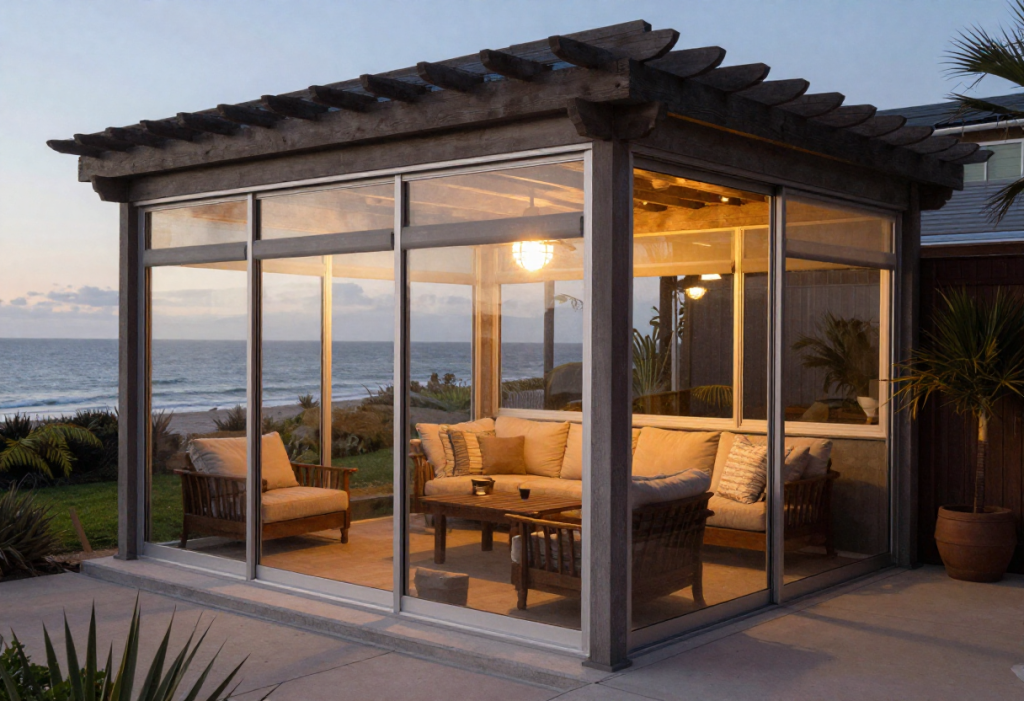
Shade solutions adapt to conditions – café blinds, screens, strategic plantings, or adjustable louvres. Weather protection could be clear glass panels for wind without blocking views, or zip-track blinds that roll down when needed. Comfortable furniture and soft furnishings create that resort feeling everyone wants. Decorative elements tie everything together stylistically.
Getting the ambiance right makes the difference between a space that gets used and one that sits empty. We build the structure, you add the personality, but we design with all this in mind from the start.

Layout and Zoning Strategies
Cooking and food prep zones go where they make sense for access and ventilation. Formal dining areas need protection from weather and enough space for chairs to pull out. Casual lounging spaces can be more flexible, but still need comfort and some weather protection.
Children’s play area visibility matters for parents who want to relax while keeping eyes on kids. Quiet retreat corners for adults give you escape options when you’re hosting. Circulation paths between zones need planning so people aren’t walking through cooking areas or squeezing past dining tables.
Connection points to pools or gardens create flow through your outdoor spaces. We map all this out in design phase so you’re not stuck with awkward layouts that seemed fine on paper but don’t work in practice.
Integration with Landscape
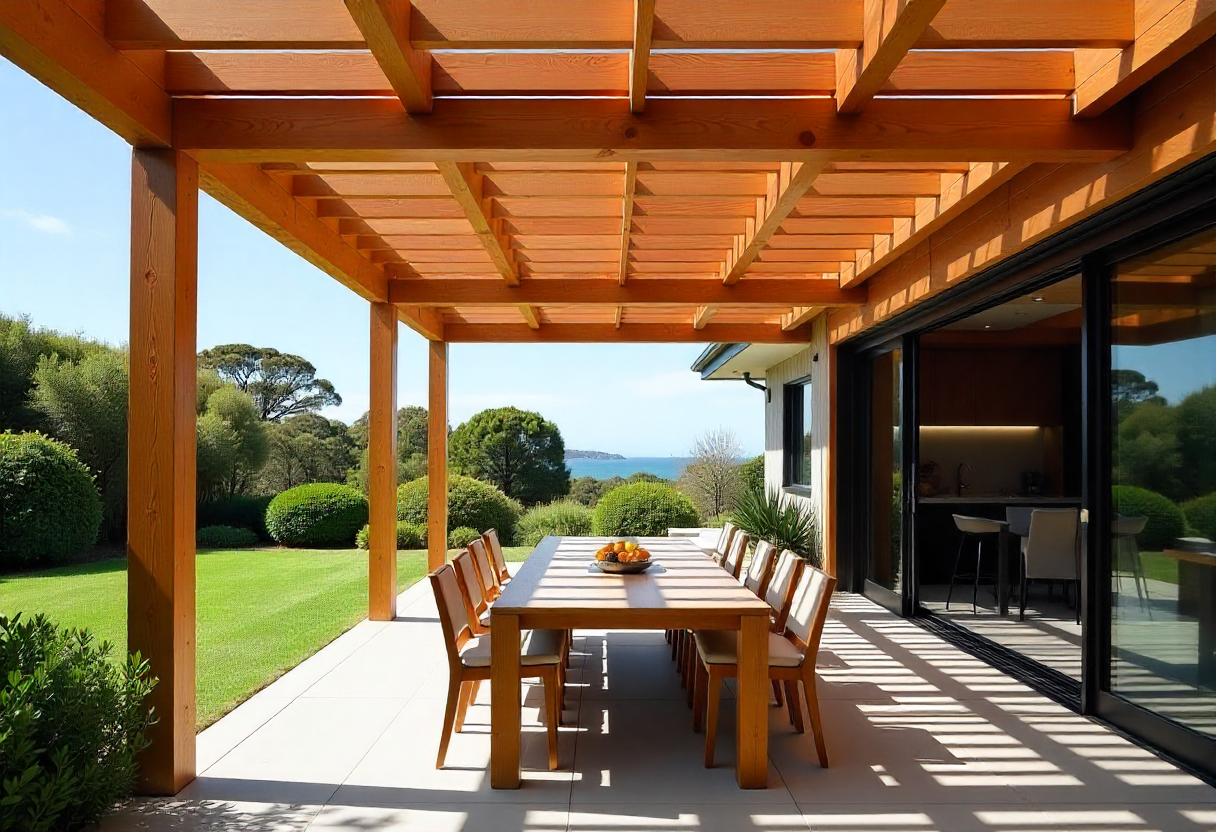
Surrounding garden beds and plantings soften the structure and provide privacy screening. Hedges or panels create an enclosure without solid walls. Connecting pathways and access routes matter for traffic flow. We design to capture views – whether that’s garden features, water glimpses, or just your backyard’s best angles.
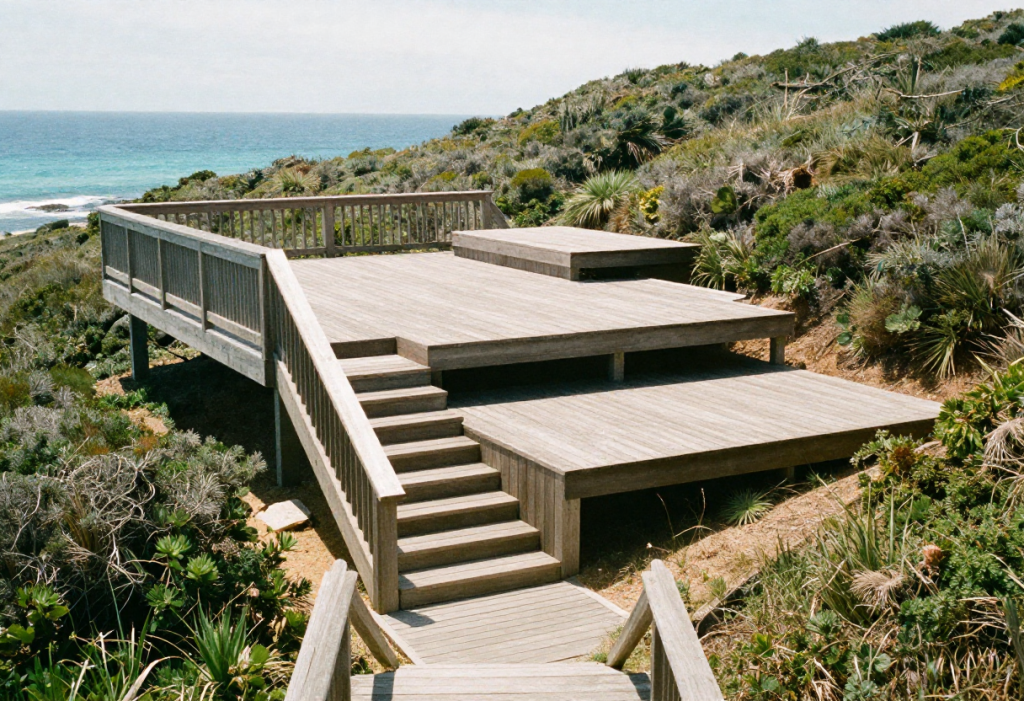
Levels and terracing handle sloped sites that are common around here. Creating outdoor rooms within your larger garden makes big blocks feel cohesive. Pool and spa area proximity means one entertainment zone serves multiple outdoor functions.
Your entertainment area shouldn’t look dropped in randomly. We integrate it with existing landscape features or plan new plantings to tie everything together.
Design Elements That Actually Work
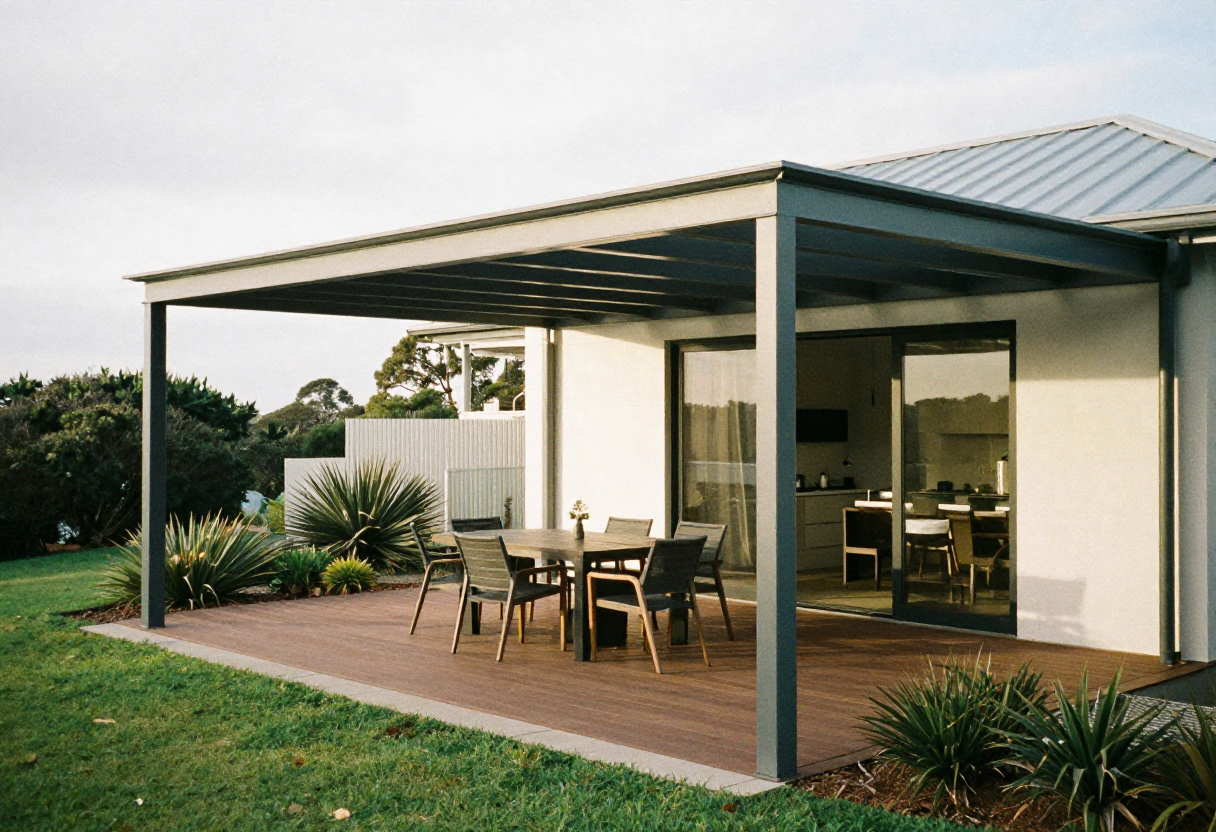
Covered structures form the backbone of any functional entertainment area – pergolas, patios, or pavilions that give you weather protection while keeping that outdoor feel. We design with both open and sheltered zones because Central Coast weather changes fast. You need sun for winter mornings and shade for summer arvos, sometimes on the same day.
We define separate spaces for different activities – dining here, lounging there, cooking over in that corner. Everything flows together but each zone has its purpose. The structure needs to integrate with your existing home’s style and your landscape, not look like an afterthought stuck on the back. We pay attention to sun paths, prevailing winds (those northeasterlies especially), and how breezes move through your property. Getting airflow right means natural cooling in summer without creating wind tunnels that blow napkins off tables.
Privacy matters too, but you don’t want to build a fortress. We balance screening from neighbors with keeping the space open and light. Strategic placement of structures, screens, or plantings gives you privacy where you need it while maintaining good sightlines to gardens, pools, or kids’ play areas.
Material Selection
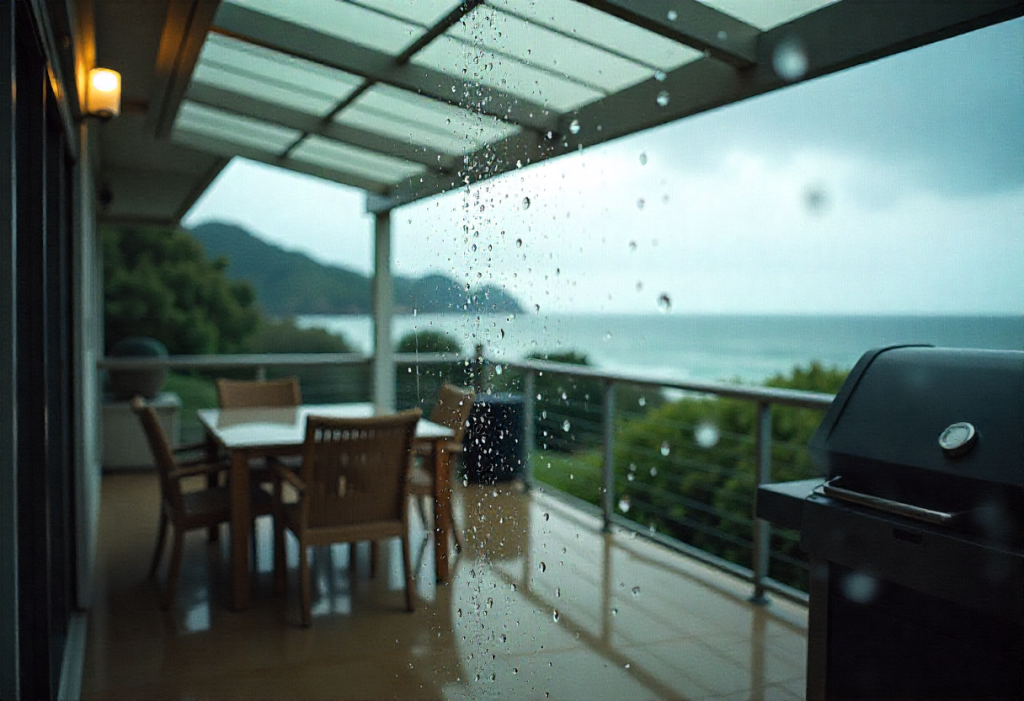
Weather-resistant structural materials handle Central Coast coastal conditions – not everything does. Timber needs to be properly treated and maintained, or you go with materials that don’t rot. Low-maintenance finishes matter here because salt air accelerates deterioration. Coastal-grade powder coating on steel, marine-grade fasteners, proper drainage details.
Durable outdoor-rated furniture withstands UV and moisture. Non-slip flooring surfaces matter for safety, especially around pools or when wet. Quality roofing materials last 20+ years instead of 5-10. Finishes should match your home’s aesthetic, not clash with it. Sustainable and eco-friendly options exist if that’s important to you.
We specify materials we’ve seen last in local conditions. Not what works in theory, what we’ve actually watched perform over 10-15 years across hundreds of Central Coast installations.
Central Coast Climate Advantages
Mild winters mean you’re using outdoor entertainment areas 10-11 months a year with the right setup. Coastal breezes provide natural ventilation that air conditioning can’t match. Extended daylight hours in summer give you more entertaining time. We position structures to maximize water views where you’ve got them, or garden outlooks for inland properties.
Afternoon sun in summer needs managing – that western exposure can make spaces unusable without proper coverage or orientation. Occasional coastal rain requires overhead protection that drains properly. The outdoor lifestyle culture here means your neighbors are doing the same thing – entertaining outside is expected, not exceptional.
We design specifically for Central Coast microclimates. A Terrigal beachside property faces different conditions than a Wyong inland block. Salt air considerations, wind patterns, sun angles – all this feeds into material selection and structural design.


Planning Considerations
Budget allocation across features determines what you build now versus later. Phased construction works for larger projects – build the structure first, add kitchen later, finish with lighting and furniture as budget allows. Council approval requirements vary based on structure size and setbacks. We handle applications and know what Gosford, Wyong, and surrounding councils actually care about.
Professional design consultation prevents expensive mistakes. Understanding your entertaining habits and needs shapes the design. A family with young kids needs different setup than empty nesters hosting wine nights. Future flexibility and expansion matter if you’re planning to add pools or extend later.
Typical project timeline runs 3-6 weeks from approval to completion, depending on size and complexity. Weather delays happen occasionally. We give realistic timeframes, not optimistic guesses.
Frequently Asked Questions

Let’s Talk
Pergolas Central Coast Specialist is an organisation that provides high-quality pergolas and outdoor living structures. Our company has been in business for years, and we offer a wide range of services, including Custom Project and New Construction Services. If you’re interested in learning more about what this company can do for you, contact them today.
